Wildlife Control & Exclusion
Species-aware assessment and exclusion planning for bats, squirrels, raccoons, and other building intrusions.
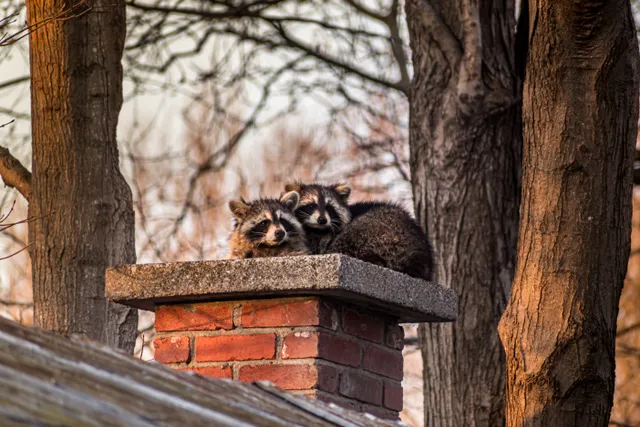
An animal in an attic, wall, chimney, or crawlspace needs a species-specific response. Northcrest Pest Management can begin with an assessment of signs and access, but wildlife work is not a one-size-fits-all service. Ohio rules, protected species, seasonal restrictions, the presence of young, and the method allowed for a particular animal can change what may happen next.
Signs of an Animal in a Building
Scratching or scurrying at dawn, dusk, or night; an animal seen entering a roofline or vent; damaged soffits or screens; nesting material; droppings; and odors from an attic, wall, or crawlspace can all justify an assessment. The same sign can come from different species, and noises alone are not enough to choose a trap or seal an opening. Do not handle an animal, carcass, droppings, or nesting material. Keep people and pets away from the area and describe what you observed from a distance.
Examples in Ohio
- Eastern gray squirrel — ODNR notes that young may be reared in leaf nests, dens, and occasionally birdhouses. ODNR · Mammals of Ohio field guide
- Little brown bat — ODNR cautions that many Ohio bats look “little and brown”; closer details may be needed to tell species apart. ODNR · Mammals of Ohio field guide
- Raccoon — Nocturnal; ODNR describes raccoons using urban and suburban wooded areas with large trees and water. ODNR · Mammals of Ohio field guide
Educational clues only; the page photograph does not identify a species.
Species, Season, and Legal Scope
An assessment looks at accessible interior and exterior areas, likely species, entry and exit routes, nesting evidence, roof and vent conditions, and whether an animal may still be inside. Before any intervention, the current rules and seasonal considerations must be checked for that species and location. If work requires an authorization, method, or wildlife provider outside the available scope, the appropriate next step is referral rather than an unsupported promise that removal can proceed. Bats, squirrels, and raccoons should not be treated as interchangeable problems; maternity or young-animal concerns can also affect timing.
Potential Work and Cost Factors
When lawful and appropriate, a plan may include monitoring, a species-appropriate exit or exclusion device, coordination with an authorized wildlife provider, and repairs after the structure is vacant. A hole should not be permanently sealed while an animal or dependent young may be inside. Exclusion repairs may involve the roof, soffit, vent, chimney, foundation, or another trade, and they are not always part of an initial pest assessment. Cost factors include species, evidence and number of animals, roof height and access, inspection area, damage, season, repair materials, monitoring, and whether another provider or permit is needed.
Prevention starts with maintaining roof and vent screens, repairing gaps when no animal is present, keeping trash and pet food secured, and trimming access branches where practical. Timing is important: a well-intended repair can create a trapped-animal problem if the route is closed too soon. Ask what has been confirmed, what remains uncertain, and who is responsible for any repair or cleanup before work begins.
Related Services
For droppings or gnawing around a home where rodents are suspected, see mice and rat control. Once species, timing, and vacancy are established, structural exclusion can define an entry-point sealing scope. Conditions in attic or crawl-space areas may also connect to the broader crawl space and attic solutions assessment. Homeowners can start with residential pest control, while property managers should review commercial pest management.
When to Request Help
Request help for repeated noises, an animal entering the building, damaged vents or soffits, or signs in an attic or wall. Include the animal’s apparent location, time of activity, photographs taken from a safe distance, and any opening that has already been covered. Do not disturb the animal or attempt to seal a suspected route before advice.
Request an assessment